SINCE 2024
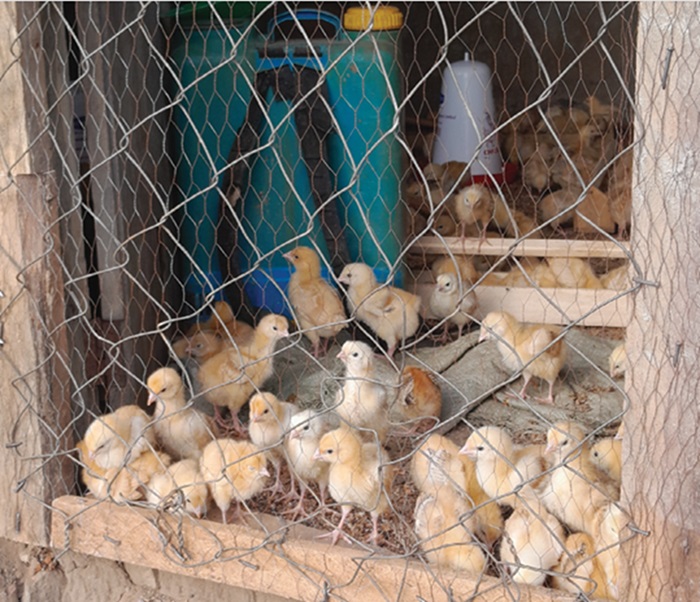
The INCLUDE project is being implemented by SNV and funded by The Embassy of the Kingdom of Netherlands (EKN). The Inclusive Livestock Development for Smallholder Farmers INCLUDE project is a five-year project (April 2024-March 2029) born out of the learnings generated from “The Integrated Smallholder Dairy Programme (ISDAP)”.
The project is being implemented through Participatory Integrated Planning (PIP) and Farming systems approach- which is a mixture of farm enterprises such as crops, livestock, apiculture, agro-forestry and fruit crops. In this system, family allocates its own resources and efficiently manages them in the existing environment for the attainment of the family/household goal. The project envisions equitable, sustainable, and resilient livelihoods for smallholder farmers and aims at increased SHF living income and resilient livestock-based livelihoods for smallholder farmers in Kigezi, Greater Ankole, Rwenzori, and Busoga sub-regions of Uganda. EMRICH Agro Ecological Farms (U) Ltd is one of the Local Service Partners (LSP) implementing the INCLUDE project in the Busoga region in Kaliro and Kamuli districts.
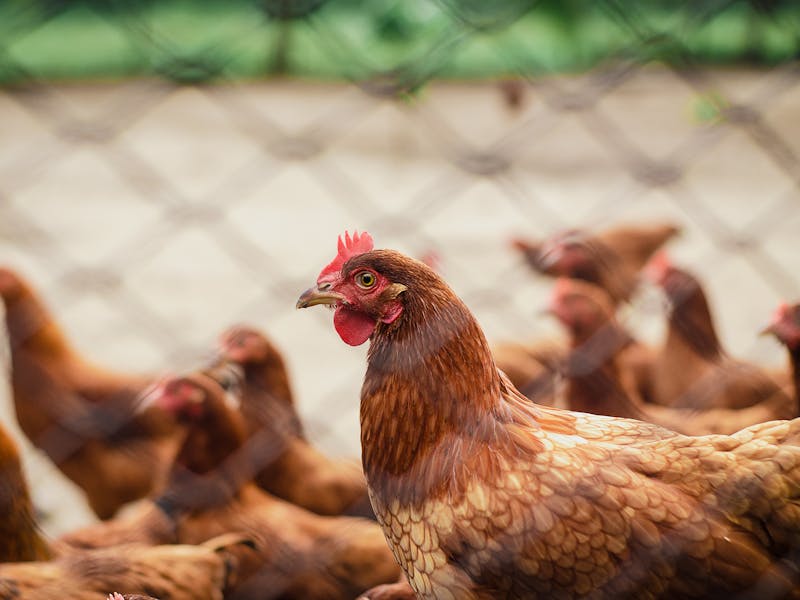
Project Approaches 1. Participatory Integrated Planning (PIP) The participatory Integrated Planning (PIP) approach is a structured, inclusive and bottom-up methodology that empowers farming households to take active roles in shaping their own development. At its core, PIP supports households to envision a more resilient and sustainable future through the creation of a “Participatory Integrated Plan” – a practical and visual representation of their current status, desired future state and an actionable roadmap to achieve it. By facilitating joint household visioning and planning, the PIP approach promotes mindset transformation – from short-term thinking to long -term planning, from passivity to agency, and from problem identification to opportunity seeking. It integrates key themes such as crop and livestock management, land stewardship, and socio-economic planning into a unified household strategy. The approach is built on three foundational principles: motivation, stewardship, and resilience, and is implemented through structured modules that progressively build capacity and commitment at household and community levels.
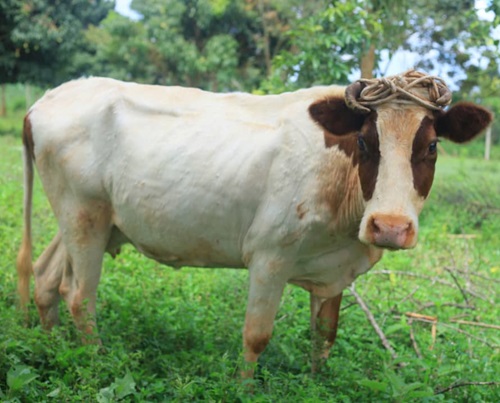
2. Village Learning and Linking Groups (VLLG) The Village learning and linking (VLLG) methodology aims at building the farmers capacity in innovations that will improve their livelihoods through livestock as well as increasing the skills to profit from livestock hence increase their income from livestock. Through the VLLG, farmers are provided with opportunities to enhance livestock production and productivity by adopting improve practices and accessing relevant technologies and inputs. Each farmer category receives a targeted innovation package comprising of a limited set of livestock practices tailored to their specific needs.
3. Inclusive Market Access and Development (IMAD) This component of the project seeks to link farmers to input and output markets through input suppliers/dealers, veterinary service providers and output market actors. The services under this component include;
1.Agro Input Hubs 2. Livestock Services
3.Output Markets 4. Access to Finance